By Making Men Soldiers Providers and Caretakers of Society Again
Skip to Main Content of WWII
Gender on the Home Front
Wartime needs increased labor demands for both male and female workers, heightened domestic hardships and responsibilities, and intensified pressures for Americans to conform to social and cultural norms.

Acme Image Courtesy of the National Archives and Records Administration.
World State of war II changed the lives of women and men in many ways on the Dwelling Forepart. Wartime needs increased labor demands for both male and female workers, heightened domestic hardships and responsibilities, and intensified pressures for Americans to conform to social and cultural norms. All of these changes led Americans to rethink their ideas about gender, about how women and men should comport and expect, what qualities they should exhibit, and what roles they should assume in their families and communities.
Wartime gender changes for women are encapsulated by one of the nigh popular icons of the war, Rosie the Riveter. For many Americans, Rosie is a potent and self-bodacious woman rolling up her denim shirtsleeve to reveal her right bicep as she confidently exclaims "Nosotros Can Practise It!" She was one of 19 million women who worked for wages during the war, v 1000000 of them for the offset time. More than married women than single women participated in the workforce during World War II; many of them were mothers. The federal government and wartime industries insisted that these women were key to victory, just working women presented several challenges to most understandings Americans had of the proper roles of women and men.
Well-nigh women labored in the clerical and service sectors where women had worked for decades, but the wartime economic system created task opportunities for women in heavy industry and wartime production plants that had traditionally belonged to men. Male person coworkers interpreted the completion of physically demanding and skilled tasks past women as encroachment on "their" work, and some men responded with harassment and resistance towards their female counterparts. Employers attempted to preserve a measure of the prewar gender order past separating male and female workers and paying women less wages. Many Americans were also troubled by women who earned their ain wages and spent time away from the supervision of family. Especially for white, heart-class families, these working women threatened to uproot the prevailing ideal of male providers and female homemakers and caretakers.
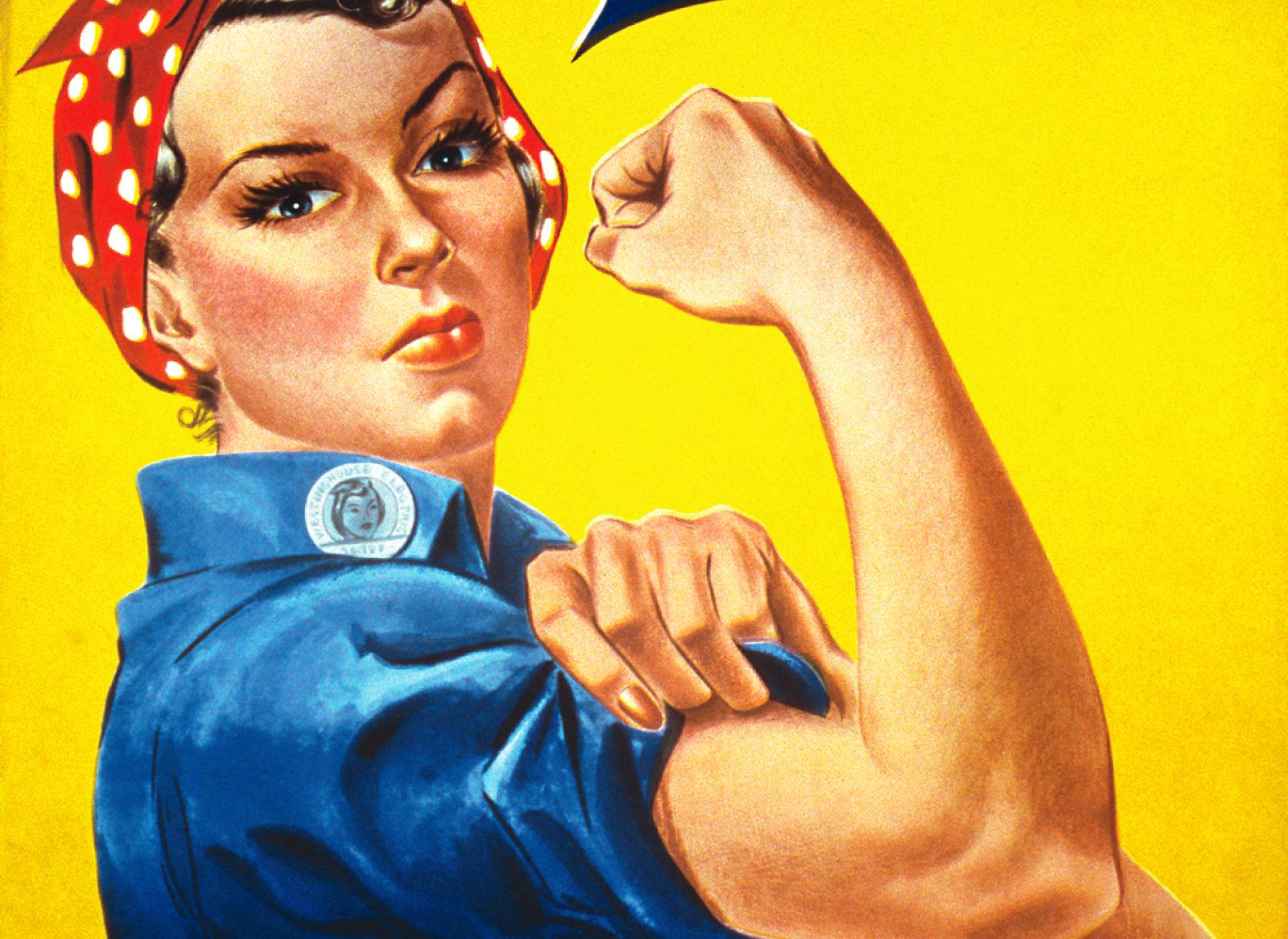
"We Can Do Information technology!" poster for Westinghouse, closely associated with Rosie the Riveter, although non a delineation of the cultural icon itself. (Image: National Archives and Records Administration, 535413.)
The federal government and industrial leaders attempted to reassure a skeptical public and limit the potentially radical gender changes that women's work posed by casting them equally patriotic and necessary and past portraying women workers equally the paradigm of femininity. "Rosie" might have taken on new roles riveting airplanes or producing munitions, countless posters, films, and newsreels, but she remained feminine with manicured nails, carefully applied lipstick, and styled hair. Moreover, despite her confident attitude and capabilities, she was just a temporary aberration, eager to requite up her welding goggles and steel-toed boots for domestic bliss at the war'southward end.
When victory came, some women were more ready to return to domestic life, but even those who wanted or needed to continue working plant their options severely express as men returned habitation and demands for war materials decreased. Without the war to justify the unconventional work of women, many employers pushed women out of the higher-paying positions they had held during the war, out of the workforce entirely, or into lower paying and less secure "pinkish collar" jobs. Wartime piece of work proved transformative for many women who had embraced its challenges and enjoyed its benefits, but personnel policies at the end of the war moved men and women back into the roles that aligned with prewar gender understandings.
Men on the Abode Front likewise found that the war introduced a number of potential challenges to mutual understandings of their proper roles. While many men perceived the expanding roles of women every bit a threat, their own condition as civilians posed another. The popularization of combat soldiers as ideal men excluded civilian men on the Home Front who, in response, associated themselves with acceptable ideas of masculinity in other ways.
Although the prototype of a hearty, muscular GI fighting in combat became the image of the ideal American human being during World War Ii, few men actually served in that office. Almost men who remained on the Home Front were simply not selected in the draft, were too old to serve, or were disqualified or exempted from service for a variety of reasons. While they were not the arcadian GI Joe, they insisted that equally "soldiers of production" their wartime contributions were simply equally valuable and that they were just as manly as the soldiers fighting away. Many men emphasized the physical dangers of their work as testify that they were real men. Government and industry propaganda images of male workers supported this association past adopting the paradigm of the muscular laborer every bit the equivalent of the soldier and past insisting that the laborer was essential to the soldier's success.
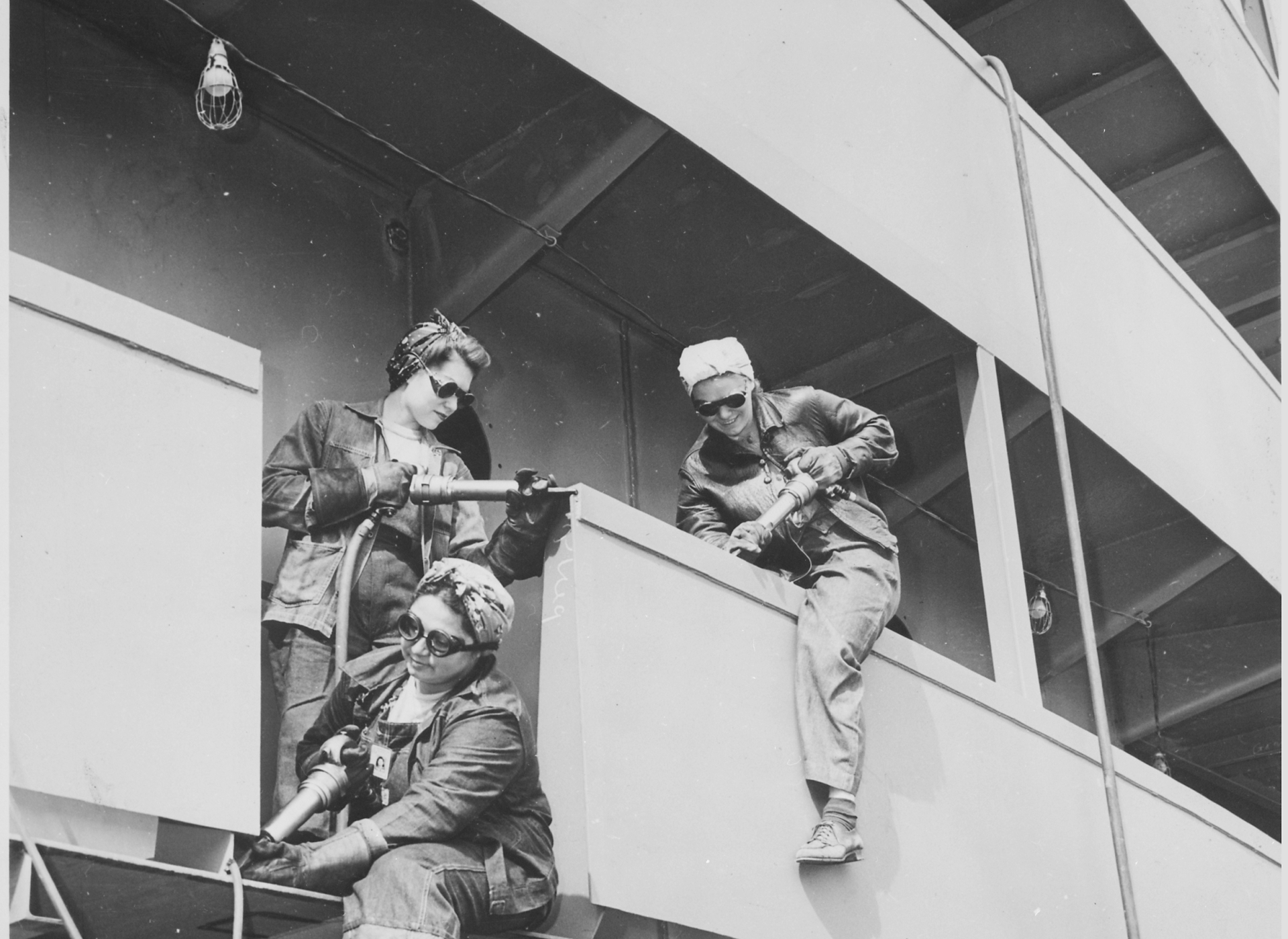
"Chippers", or women war workers of Marinship Corporation, Sausalito, California, 1942.
(Prototype: National Archives and Records Assistants, 522889.)
Perhaps most removed from the idealized epitome of manhood were the more than than fifty,000 men who received conscientious objector status. Often described every bit weaklings, cowards, traitors, effeminate, or homosexual, these men faced nifty force per unit area to prove their bravery, loyalty, and willingness to defend their ideals. Many of them volunteered for unsafe work fighting forest fires or risky medical experiments in an effort to prove that, while they objected to military machine service, they were no less men than soldiers.

Like this article? Read more than in our online classroom.
From the Drove to the Classroom: Pedagogy History with The National WWII Museum
Learn More than
Wartime demands brought not bad changes to the daily lives of women and men on the American Home Front. Many Americans embraced war production work as a way to aggrandize their roles and paradigm in society and to connect themselves to the piece of work of soldiers. Others resisted whatsoever perceived threat to conventional divides between the work of women and the piece of work of men. People reevaluated these roles in the context of their own experiences that were shaped by race, class, region, faith, and a host of other factors. By the war's cease, understandings of gender had both expanded and remained firm. In near ways, popular notions of gender remained intact although cracks had emerged that would in later years interruption the mold.
Explore Further
-
The War Refugee Lath
When President Franklin Roosevelt created the War Refugee Lath in January 1944, he tasked this new regime agency with rescuing and providing relief for Jews and other groups facing Nazi persecution and murder in Europe. By that time, more than than v 1000000 European Jews had already been murdered. The State of war Refugee Board staff used creativity and the well-nigh-certainty of Allied victory to aid hundreds of thousands of people in the final seventeen months of Earth War Ii.
-
First Fruits of Exile: European Fine art at Pierre Matisse 1942
In March 1942, a special showroom opened in New York City of 14 pieces of art each contributed by xiv artists who had escaped Nazi-occupied Europe.
-
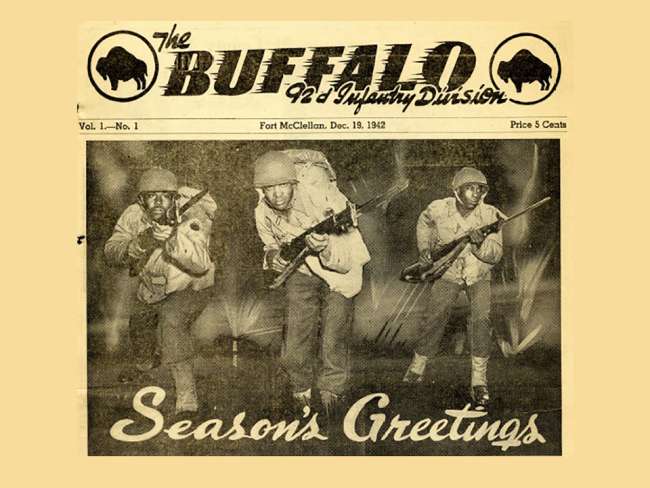
The Buffalo: 92nd Infantry Division's Weekly Paper during World State of war II
The 92nd Infantry Division'south unit newspaper earned a place as one of the premier gainsay partitioning publications in the Armed Forces during Earth War 2.
-
Love—Guess Who! Valentine's Letters from World War 2
Forced apart by state of war, newlyweds and expectant parents Richard and Jean Porritt celebrated Valentine'southward Day the only way they could: through greeting cards and dearest letters.
-
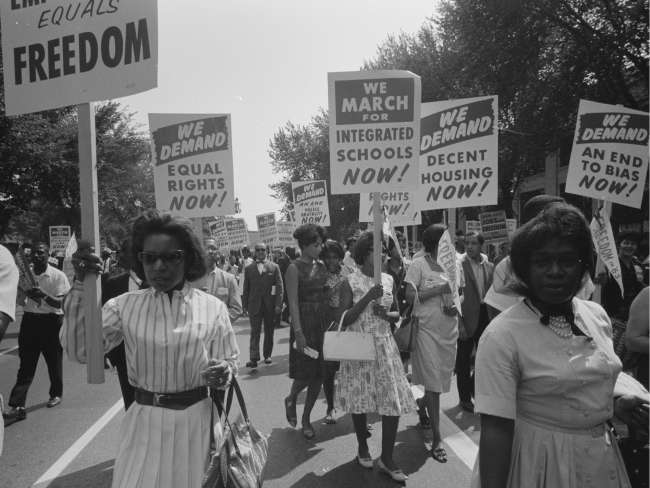
Tension in a Peacetime Society
The experiences of those left to back up the state of war effort on the Habitation Front, combined with those of returning veterans, helped further reveal underlying tensions and led to significant changes in the social history of the United states of america.
-
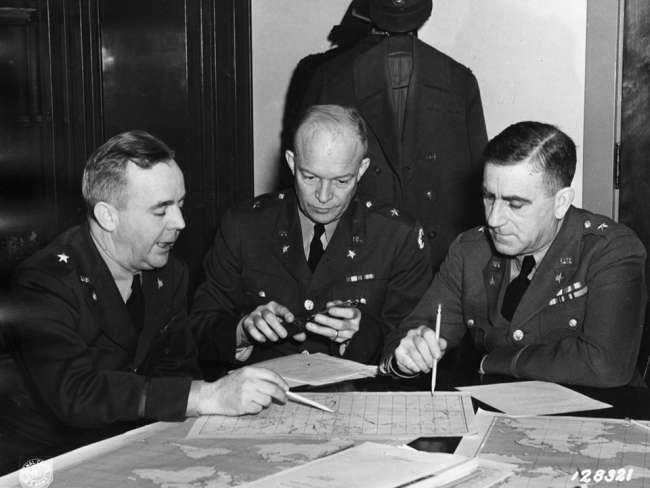
First Washington Briefing: ARCADIA
The Start Washington Conference, code-named ARCADIA, from December 22, 1941 to January 14, 1942, fix the strategic direction for the Anglo-American state of war effort and established the Joint Chiefs of Staff.
-
Salvage For Victory: World State of war Two & Now
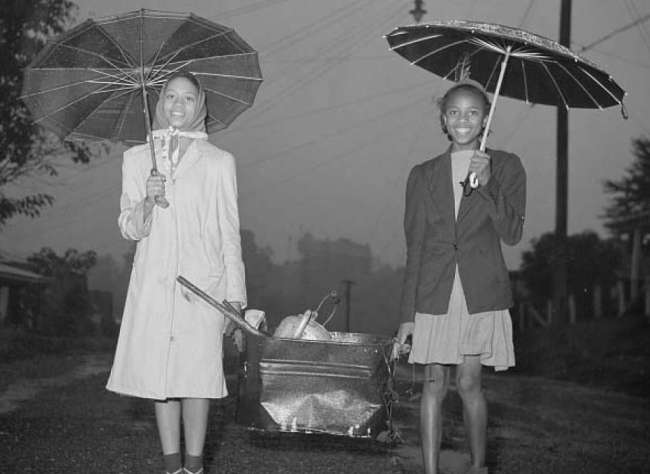
On January 10, 1942, the Us launched one of its most important and besides most memorable domestic initiatives of the entire war: the "Salve For Victory" campaign.
-
Making Automobiles Last During World War Ii
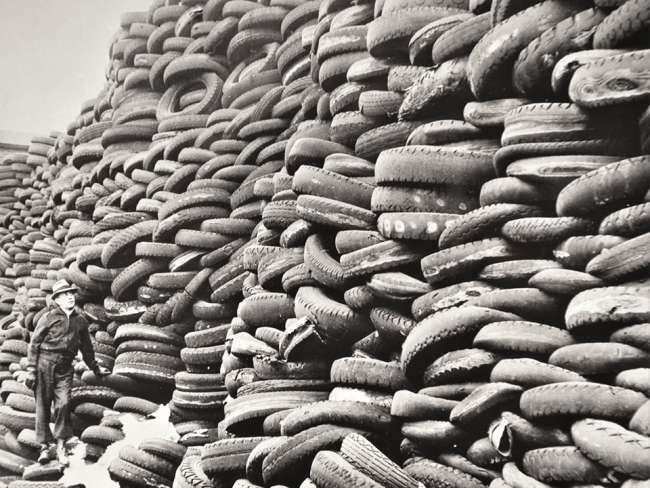
Civilian workers struggle to keep their cars running amid strict wartime restrictions.


velazquezalch1995.blogspot.com
Source: https://www.nationalww2museum.org/war/articles/gender-home-front
0 Response to "By Making Men Soldiers Providers and Caretakers of Society Again"
Post a Comment